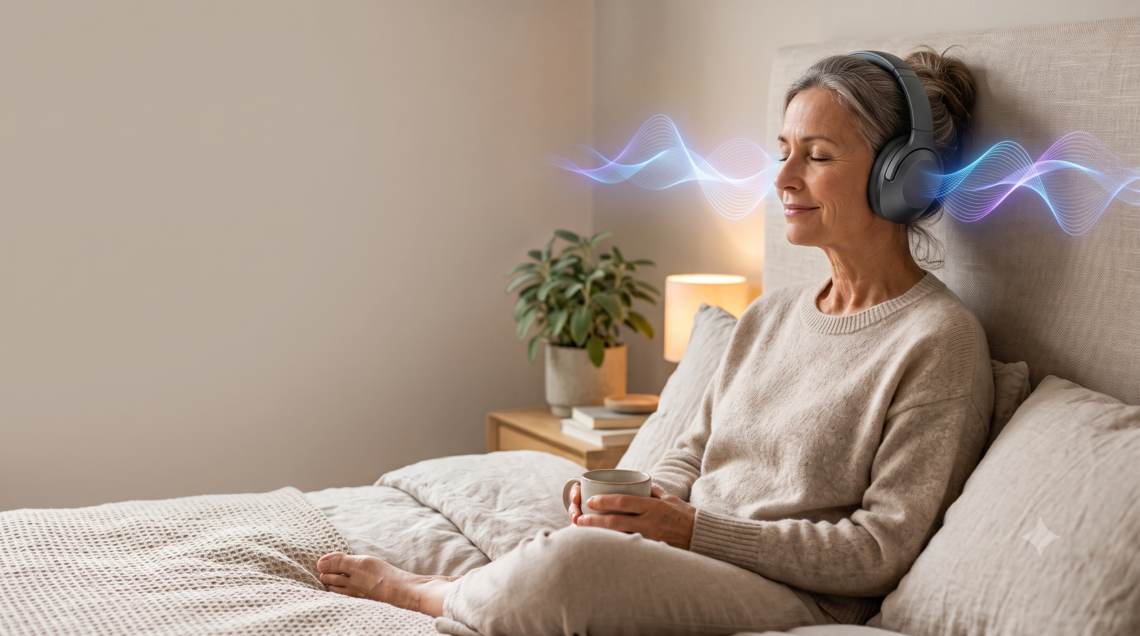
Have you ever noticed a ringing, buzzing, humming, or hissing sound in your ears when there is no obvious source of noise around you?
For many people, this experience can be frustrating, distracting, and difficult to ignore. It may become especially noticeable at night, while trying to sleep, or during quiet moments when there are fewer external sounds competing for attention.
If you are searching for tinnitus relief, you may have already explored different options, from background noise and relaxation techniques to professional hearing support. Recently, another audio-based approach has attracted attention: binaural beats.
This method is being explored by people looking for a convenient way to support relaxation and manage how noticeable unwanted internal sounds feel. But is it worth exploring? And can it really provide tinnitus relief for ringing ears?
Let’s take a closer look at how this audio approach works, what makes it interesting, and what you should know before trying it.
Medical disclaimer: This article is for educational purposes only and is not medical advice. Tinnitus can have many possible causes. Anyone experiencing sudden tinnitus, sudden hearing loss, severe dizziness, pulsatile tinnitus, or other concerning symptoms should seek professional medical evaluation.
What Is Tinnitus?
Tinnitus is the perception of sound when there is no external sound source creating that noise.
People may describe it in different ways. Some hear ringing, while others experience buzzing, humming, hissing, clicking, or whistling. The sound may be present in one ear, both ears, or seem to come from inside the head.
For some individuals, tinnitus is temporary or occasional. For others, it can become a persistent experience that affects concentration, relaxation, sleep, or daily activities.
Tinnitus is not a single condition with one universal cause. It may be associated with factors such as hearing changes, exposure to loud sounds, ear-related issues, certain medications, and other health factors.
Because the causes and experiences vary, the approach that helps one person may not provide the same results for another. This is one reason people continue searching for different strategies for tinnitus relief.
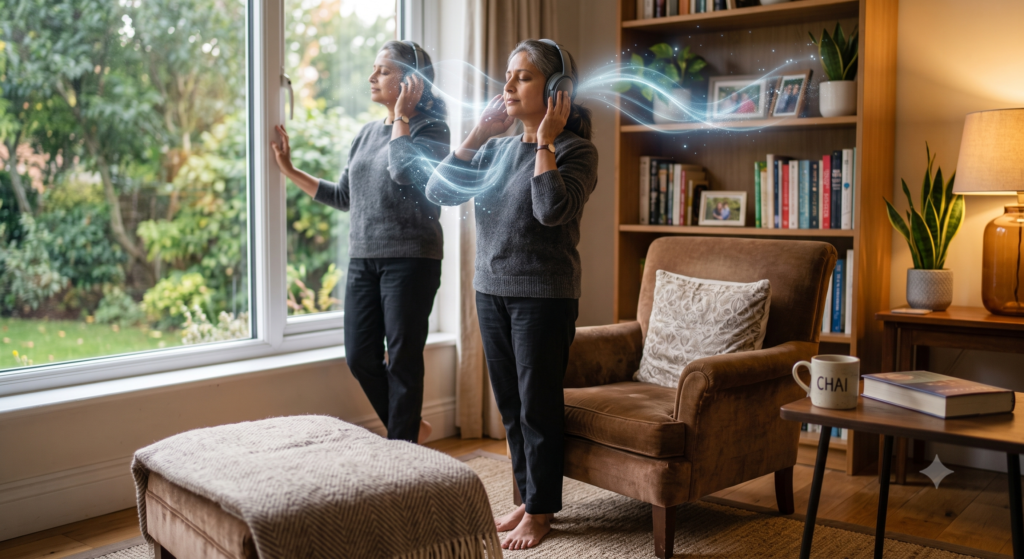
Why Can Ringing Ears Become So Difficult To Ignore?
One of the most frustrating aspects of tinnitus is that the sound may become more noticeable when the environment is quiet.
For example, some people notice their symptoms more when:
- They are lying in bed at night
- They are working in a quiet room
- They are trying to concentrate
- They are feeling stressed or tired
- There is little background sound
This can create a frustrating cycle. The more attention a person gives to the sound, the more noticeable it may seem. The more noticeable it becomes, the more a person may focus on it.
This is why many people searching for tinnitus relief for ringing ears are interested in sound-based approaches.
Rather than trying to promise an instant tinnitus fix, sound-based strategies may provide an alternative audio focus that can potentially help make unwanted sounds feel less intrusive for some individuals.
What Are Binaural Beats?
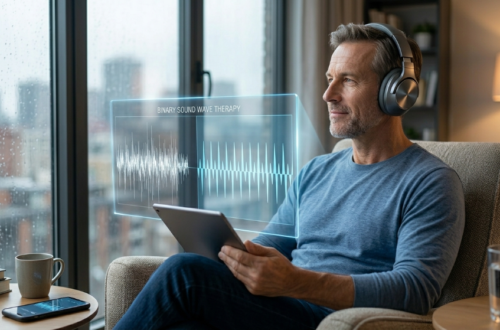
Binaural beats are created when slightly different tones are presented separately to the left and right ears.
For example, one tone may be played in one ear while a slightly different tone is played in the other. The brain perceives a difference between the two tones, creating the perception of a rhythmic beat.
Headphones are generally used for this type of listening experience because each ear needs to receive a separate tone.
The concept has attracted interest in areas such as relaxation, meditation, focus, and sleep. Some people are also exploring binaural beats as part of a broader strategy for managing the impact of tinnitus.
It is important to understand that this does not mean the method is a guaranteed cure. Instead, the interest comes from the possibility that a carefully designed audio experience may provide another sound focus or support a more relaxed listening environment.
How Could Audio Support Tinnitus Relief?
The experience of tinnitus relief can be different for everyone. However, there are several reasons people are interested in specialized audio approaches.
1. Audio Can Provide an Alternative Focus
When the surrounding environment is completely silent, tinnitus may become more noticeable for some people.
An external audio experience can provide another sound for the brain to process. This may help some listeners focus less attention on the internal sound.
This is not the same as claiming that the underlying cause of tinnitus has disappeared. Instead, the goal may be to make the experience feel less dominant or disruptive.
2. Relaxation May Be Helpful
Stress and difficulty relaxing can make unwanted sounds feel more intrusive for some individuals.
A calming audio routine may help a person create a more relaxing environment, especially during quiet periods or before bedtime.
Research into different sound-based and complementary approaches continues to develop, and individual results can vary. Therefore, it is best to view audio methods as potential tools rather than guaranteed solutions.
3. It Is Convenient
One reason digital audio approaches appeal to many people is convenience.
Unlike a complicated device or an appointment-based strategy, an audio program can potentially be used at home as part of a personal routine.
For people who are looking for a non-invasive way to explore tinnitus relief, this convenience may be an important factor.
Is This the Tinnitus Fix People Have Been Searching For?
It is understandable that someone experiencing persistent ringing may search online for a permanent tinnitus fix.
However, the reality is more complicated.
There is no single solution that works for every person because tinnitus can have different causes and patterns. For some people, identifying and addressing an underlying issue may be important. For others, long-term management strategies may be more useful.
This is why it is important to be cautious about products that promise guaranteed results or claim to permanently eliminate tinnitus for everyone.
A responsible audio-based approach should be viewed as a potential management tool—not as a guaranteed medical cure.
If you have new or worsening symptoms, a professional evaluation may be appropriate. An audio program should not replace medical diagnosis or treatment.
Why Are People Exploring Neurotinn?
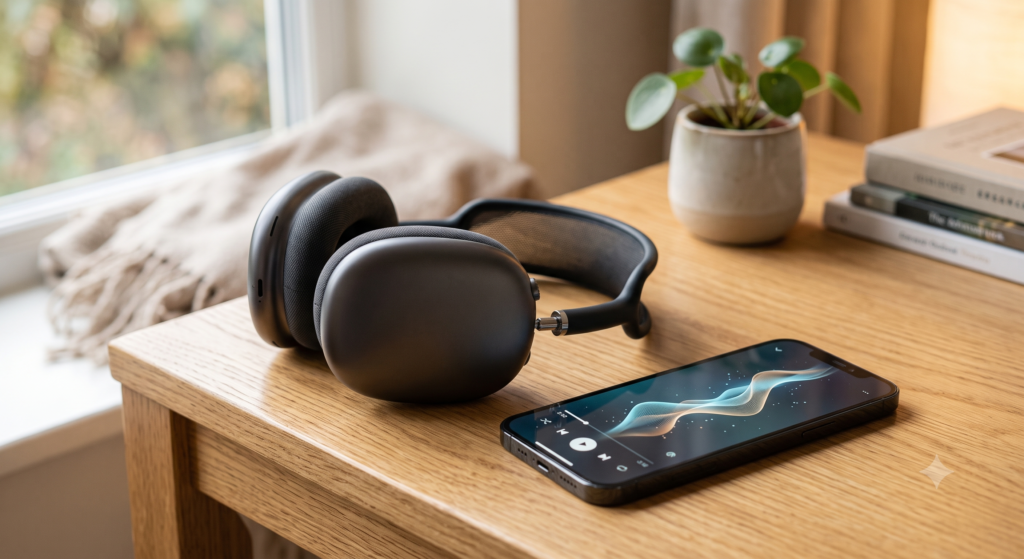
Neurotinn is positioned as a digital audio-based approach for people interested in exploring specialized sound and binaural beats.
The concept is straightforward: provide a structured audio experience that people can explore as part of their personal routine.
For someone searching for tinnitus relief for ringing ears, this may be appealing because it does not involve pills, injections, or complicated equipment.
The approach is particularly interesting for people who have already experimented with:
- Background noise
- Relaxation audio
- Meditation
- White noise
- Sleep sounds
- Other sound-based strategies
However, expectations are important.
Some people may find a particular audio experience relaxing or useful. Others may notice little difference. Individual responses can vary.
The most realistic way to look at this type of product is as an audio-based option that some people may choose to explore as part of a broader tinnitus-management routine.
What Makes This Audio Method Different?
Generic background noise can be useful for some people, but specialized audio approaches are designed with a more specific listening experience in mind.
The interest in binaural beats comes from the way different tones are delivered to each ear.
Rather than simply playing random background noise, the audio is designed around specific tonal differences and listening patterns.
For people searching for tinnitus relief, this may make the approach worth investigating.
However, “different” does not automatically mean “better for everyone.” The right approach depends on the individual, their symptoms, and how they respond to different types of sound.
How To Explore Binaural Beats Responsibly
If you are considering binaural beats as part of a personal audio routine, keep the following points in mind.
Use a Comfortable Volume
Listening at a very high volume is not necessary. A comfortable volume is generally the better approach.
Use Headphones When Required
Because the method depends on delivering different tones to each ear, headphones may be necessary for the intended listening experience.
Pay Attention To Your Response
Everyone responds differently to sound.
If listening causes discomfort, headaches, anxiety, irritation, or a noticeable worsening of symptoms, stop using the audio and consider seeking professional advice.
Avoid Overnight Cure Claims
A product promising an instant tinnitus fix should be approached cautiously.
The goal should be to explore whether a particular audio method is useful for you—not to expect guaranteed results.
Consider Professional Evaluation
If your tinnitus is sudden, persistent, one-sided, pulsatile, or accompanied by hearing loss or severe dizziness, seek appropriate medical evaluation.
Could This Be The Right Tinnitus Relief Option For You?
If you have been searching for tinnitus relief for ringing ears, you may already understand how difficult it can be to find an approach that fits your lifestyle.
Maybe you have tried ordinary background sounds. Perhaps you have experimented with meditation or relaxation apps. Or maybe you have spent hours searching for a reliable tinnitus fix.
A specialized digital audio approach may be worth exploring if you prefer:
- A non-invasive option
- A digital product
- A convenient listening routine
- A sound-based approach
- The ability to listen from home
The most important thing is to maintain realistic expectations.
No single method works for everyone, and tinnitus can have different causes. But if the concept of specialized audio and binaural beats interests you, learning more about the Neurotinn approach could be a logical next step.
Ready To Explore A Different Approach To Tinnitus Relief?
Constant ringing, buzzing, or humming can make quiet moments frustrating.
If you are looking for an audio-based approach that you can explore from home, Neurotinn may be worth taking a closer look at.
👉 Discover How Neurotinn Works — Explore This Audio-Based Approach To Tinnitus Relief Today
Learn more about the listening method, how the program is designed, and whether this type of audio experience fits your personal needs.
Click below to explore Neurotinn and see if this approach is right for you.
Important: Neurotinn should not be considered a guaranteed cure for tinnitus or a replacement for professional medical advice. Individual experiences and results may vary.
Frequently Asked Questions About Tinnitus Relief
What is the best tinnitus relief for ringing ears?
The best approach depends on the individual and the possible cause of their symptoms. Some people explore sound therapy, hearing support, relaxation strategies, professional counseling, and other management approaches. Binaural beats may also be explored as an audio-based option, although results can vary.
Can binaural beats cure tinnitus?
There is no guarantee that binaural beats can cure tinnitus. Tinnitus can have different causes, and individual responses to audio vary. This type of approach should be considered a potential management tool rather than a guaranteed cure.
Is there a permanent tinnitus fix?
There is no universal tinnitus fix that works for everyone. The best approach may depend on the cause, duration, and characteristics of the tinnitus. Professional evaluation may be appropriate for persistent or concerning symptoms.
How do binaural beats work?
Binaural beats are created when slightly different tones are delivered separately to the left and right ears. The brain perceives the difference between those tones as a rhythmic beat. Headphones are typically used for the intended listening experience.
Can audio help with tinnitus relief?
Some people use sound-based strategies to help make tinnitus less noticeable or to create a more relaxing listening environment. The effectiveness can vary from person to person.
Is Neurotinn a medical treatment?
Neurotinn is presented as a digital audio-based product. It should not be considered a replacement for professional medical diagnosis or treatment.
Can tinnitus affect sleep?
For some people, tinnitus may become more noticeable in quiet environments, including at bedtime. Sound-based strategies may help some individuals create a more comfortable sleep environment, but persistent sleep difficulties should be discussed with a qualified healthcare professional.
When should I see a doctor about tinnitus?
Seek professional medical evaluation for sudden tinnitus, sudden hearing loss, severe dizziness, pulsatile tinnitus, or other concerning changes. Persistent tinnitus may also warrant evaluation to help identify possible contributing factors.
Final Thoughts
Searching for tinnitus relief can be frustrating, especially when the ringing or buzzing becomes more noticeable during quiet moments.
The growing interest in binaural beats reflects the desire for convenient, non-invasive audio-based approaches that people can explore from home.
However, it is important to maintain realistic expectations. There is no guaranteed tinnitus fix for everyone, and the underlying causes of tinnitus can vary.
If you are specifically searching for tinnitus relief for ringing ears, exploring a specialized audio approach such as Neurotinn may be worth considering.
The next step is simple: learn how the method works, understand what it offers, keep expectations realistic, and decide whether this type of audio-based approach fits your personal needs.
👉 Explore Neurotinn Today and Discover A Different Way To Approach Tinnitus Relief.


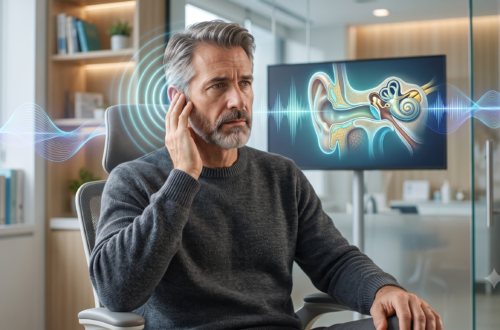
Yes, you’re not alone. Many people with tinnitus experience ringing, buzzing, humming, or hissing sounds that can interfere with daily life. While there’s no single cure for tinnitus, several management strategies may help, including sound therapy, hearing devices (when appropriate), stress management, and lifestyle changes. Some people also explore dietary supplements, although scientific evidence for their effectiveness is limited. If your symptoms are persistent, it’s best to consult an ENT specialist to identify the underlying cause before trying any treatment.
Yes, those symptoms are commonly associated with tinnitus. If you’ve been hearing persistent ringing, buzzing, humming, or hissing sounds without an external source, it’s important to have your hearing evaluated by an ENT specialist or audiologist. While tinnitus can’t always be cured, many people find relief through treatments such as sound therapy, hearing aids (when appropriate), stress management, or treating the underlying cause.