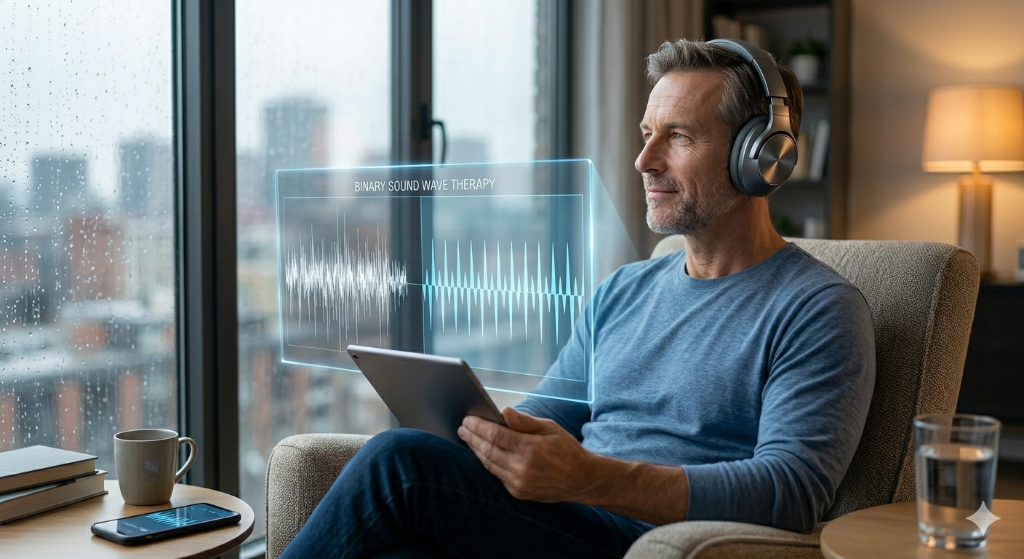
Have you ever experienced a constant ringing, buzzing, humming, or hissing sound that seems to come from inside your ears? If so, you may be searching for effective tinnitus relief.
For millions of people, tinnitus can become especially noticeable at night, during quiet moments, or when trying to concentrate. While some people experience mild and occasional symptoms, others find that the persistent sound affects sleep, relaxation, focus, and overall quality of life.
Traditional approaches to managing tinnitus often include sound therapy, counseling, hearing support, and other professional strategies. But recently, another approach has been attracting attention: binaural beats.
Could this audio-based method offer a new way to support people searching for tinnitus relief for ringing ears? Let’s take a closer look at how the method works, what it may offer, and what you should know before trying it.
Medical disclaimer: This article is for educational purposes only and is not medical advice. Tinnitus can have different causes. Anyone experiencing sudden tinnitus, sudden hearing loss, severe dizziness, pulsatile tinnitus, or concerning symptoms should seek professional medical evaluation.
What Is Tinnitus?
Tinnitus is the perception of sound when there is no external sound source producing it. People may describe the experience as ringing, buzzing, humming, roaring, clicking, hissing, or whistling.
The experience can vary significantly from person to person. Some people notice it in one ear, while others hear it in both ears or somewhere inside the head. The sound may be constant or intermittent, quiet or loud.
According to the National Institute on Deafness and Other Communication Disorders, tinnitus is common and may be associated with hearing loss, noise exposure, and other factors. There is currently no universal cure for all forms of tinnitus, but several approaches can help reduce its impact. Sound therapy is one of the approaches used in tinnitus management.
Why Is Finding Tinnitus Relief So Difficult?One of the biggest challenges with tinnitus relief is that tinnitus is not identical for everyone.
One person may experience a high-pitched ringing. Another may hear a low humming sound. Someone else may notice buzzing that becomes more obvious when the environment is completely silent.
Stress, fatigue, quiet surroundings, and difficulty sleeping can sometimes make the experience feel more intrusive. This is why many people do not simply want a quick tinnitus fix. They want a practical method they can use as part of their daily routine.
That is where sound-based approaches have gained interest.
Rather than trying to promise an instant cure, sound-based strategies are generally designed to help people manage their relationship with unwanted internal sounds. Depending on the approach, sound may help mask tinnitus, provide distraction, support relaxation, or help a person become less focused on the sound.
What Are Binaural Beats?
Binaural beats are an auditory phenomenon created when slightly different tones are presented separately to the left and right ears.
For example, one ear may receive one tone while the other ear receives a slightly different tone. The brain perceives a rhythmic difference between those sounds.
Because the two tones are delivered separately, headphones are typically used.
The idea behind binaural beats is that certain audio patterns may encourage a particular listening experience, such as relaxation or mental focus. However, research into binaural beats and their effects is still developing, and results can vary between individuals.
For someone searching for tinnitus relief for ringing ears, the appeal is simple: instead of relying on medication or complicated equipment, an audio-based approach can potentially be incorporated into a quiet daily routine.
How Could Binaural Beats Support Tinnitus Relief?
The exact experience can vary, but there are several reasons people are interested in audio-based methods for tinnitus relief.
1. They Can Provide an Alternative Sound Focus
When the environment is completely silent, tinnitus may become more noticeable for some people. A carefully designed audio experience can provide another sound to focus on.
This does not necessarily mean the tinnitus itself has disappeared. Instead, the external audio may help reduce the amount of attention a person gives to the internal sound.
2. They May Support Relaxation
For some individuals, stress and tension can make tinnitus feel more intrusive. Relaxation techniques, calming audio, and other complementary approaches are often explored as part of broader strategies for managing stress and sleep. However, the scientific evidence for individual complementary approaches varies, so no single method should be viewed as guaranteed.
3. They Are Easy to Use
One reason digital audio approaches are appealing is convenience.
A person may be able to listen from home, during a relaxation session, or as part of a personal evening routine. This makes audio-based tools attractive to people who want to explore options without immediately purchasing expensive hardware.
Is This the Tinnitus Fix Everyone Has Been Waiting For?
It is important to be realistic.
There is no universal tinnitus fix that works for every person because tinnitus can have different causes and can affect people in different ways.
If tinnitus is related to an underlying issue such as earwax buildup, hearing loss, medication effects, jaw problems, or another condition, identifying and addressing the cause may be important.
That is why a responsible approach should focus on tinnitus management rather than unrealistic promises.
A sound-based product such as Neurotinn is best viewed as a digital audio-based approach that people may explore as part of their personal tinnitus-management routine. It should not be presented as a guaranteed cure or replacement for professional medical care.
The National Institute on Deafness and Other Communication Disorders lists sound therapy among approaches that may help reduce the impact of tinnitus, while also emphasizing that treatment depends on the individual and the underlying cause.
Neurotinn: Why Are People Interested?
Neurotinn is positioned around the use of specialized audio and binaural beats for people interested in managing the experience of tinnitus.
The concept is appealing because it focuses on a simple question:
Could changing the way you listen help change how noticeable unwanted internal sounds feel?
For someone who has already tried ordinary background noise, white noise, meditation audio, or generic relaxation tracks, a more specialized audio approach may be worth exploring.
However, expectations matter.
Some people may find certain audio experiences relaxing or helpful. Others may notice little difference. Individual responses can vary significantly.
That is why the best approach is to consider the product as a possible tool for managing the impact of tinnitus—not as a guaranteed medical cure.
What Makes This Approach Different From a Traditional Tinnitus Fix?
Many people search online for a fast tinnitus fix because they want the sound to disappear immediately.
Unfortunately, tinnitus management is often more complicated than that.
An audio-based approach is different because it may focus on:
- Providing an alternative listening experience
- Supporting relaxation
- Reducing attention directed toward unwanted sounds
- Creating a structured listening routine
- Helping some users explore sound-based tinnitus management
The goal is not necessarily to promise that every person will suddenly become tinnitus-free.
Instead, the focus is on exploring whether a structured audio experience can help make tinnitus less disruptive for a particular individual.
How to Try Binaural Beats Responsibly
If you are interested in exploring binaural beats for tinnitus management, consider the following:
Start at a Comfortable Volume
Louder is not necessarily better. Listening should be comfortable, and excessive volume can be harmful to hearing.
Use Headphones When Required
Because binaural beats rely on different tones being delivered to each ear, headphones may be necessary for the intended listening experience.
Pay Attention to Your Response
Everyone reacts differently to audio. If listening causes discomfort, headaches, anxiety, irritation, or a noticeable worsening of symptoms, stop and seek appropriate advice.
Avoid Unrealistic Expectations
The goal should be exploration and management—not expecting a guaranteed overnight tinnitus fix.
Consider Professional Evaluation
If tinnitus is new, persistent, one-sided, pulsatile, or accompanied by hearing loss or dizziness, medical evaluation is important.
Could This Be the Right Tinnitus Relief Option for You?
If you are searching for tinnitus relief for ringing ears, you may already have tried several different approaches.
Perhaps you have tried background noise. Maybe you have used relaxation apps. Perhaps you have searched for supplements, exercises, or a permanent tinnitus fix.
A specialized audio approach may be worth investigating if you prefer a non-invasive, digital option that can be used as part of a personal routine.
The key is to remain realistic. No single method works for everyone, and tinnitus has different causes and patterns.
But if the idea of using carefully designed audio and binaural beats interests you, learning more about the Neurotinn approach may be a reasonable next step.
Ready to Explore a New Approach to Tinnitus Relief?
Living with persistent ringing or buzzing can be frustrating—especially when it interferes with quiet moments, sleep, or concentration.
If you are looking for a simple audio-based approach and want to discover how Neurotinn works, you can explore the official presentation and learn more about the listening method, how the program is designed, and whether it fits your personal needs.
👉 Click here to learn more about Neurotinn and explore this audio-based approach to tinnitus relief.
Remember: results can vary from person to person, and Neurotinn should not be considered a guaranteed cure or substitute for professional medical care.
Frequently Asked Questions About Tinnitus Relief and Binaural Beats
What is the best tinnitus relief for ringing ears?
The best approach depends on the individual cause and symptoms. Sound therapy, hearing support, behavioral therapies, and professional evaluation may all play a role in tinnitus management. Some people also explore specialized audio approaches, including binaural beats, as part of their personal routine.
Can binaural beats cure tinnitus?
There is no guarantee that binaural beats can cure tinnitus. Tinnitus has many possible causes, and individual responses vary. Audio-based approaches should be considered as potential management tools rather than guaranteed cures.
Is there a permanent tinnitus fix?
There is no universal permanent tinnitus fix for every person. Some tinnitus may improve when an underlying cause is addressed, while other cases may require long-term management strategies.
How do binaural beats work?
Binaural beats involve presenting slightly different tones to each ear. The listener perceives a rhythmic difference between the tones. Headphones are typically used to create the intended effect.
Can tinnitus relief improve sleep?
Some people find that sound-based strategies help them relax or make tinnitus less noticeable in quiet environments. However, the effectiveness varies, and persistent sleep problems should be discussed with a qualified healthcare professional.
Is Neurotinn a medical treatment?
Neurotinn is presented as a digital audio-based approach. It should not be considered a replacement for diagnosis or treatment from a qualified medical professional.
What should I do if my tinnitus suddenly gets worse?
Sudden changes in tinnitus—especially when accompanied by sudden hearing loss, severe dizziness, or other concerning symptoms—should be evaluated promptly by a healthcare professional.
Final Thoughts
For people searching for tinnitus relief, the growing interest in sound-based approaches is understandable.
Binaural beats offer an interesting audio concept that some people may wish to explore as part of a broader tinnitus-management routine. However, the most responsible approach is to avoid exaggerated promises and understand that tinnitus affects everyone differently.
If you are specifically searching for tinnitus relief for ringing ears, Neurotinn may be worth investigating as a digital audio-based option. Just remember that the right solution depends on your individual symptoms, causes, and response to different approaches.
The best next step is to learn how the method works, set realistic expectations, and decide whether this type of audio-based approach is right for you.


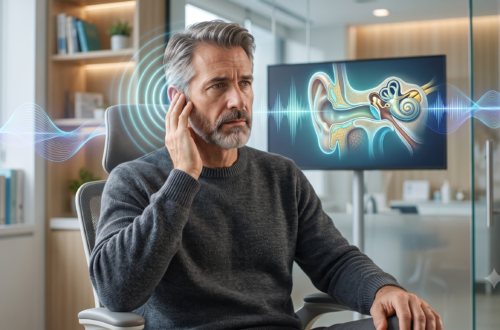
Yes, that’s common. Many people with tinnitus try different approaches such as background noise, sound therapy, relaxation techniques, stress management, or professional treatment to reduce the impact of ringing in their ears. Since tinnitus has different causes, the most effective approach depends on the individual’s condition and should ideally be guided by a healthcare professional.